
CBC x Tokyo 2020 2021
A reimagining of the CBC’s mobile application for the Tokyo 2020 Olympics, redesigned to simplify navigation and streamline content to better meet the Canadian viewer’s needs.
The Brief
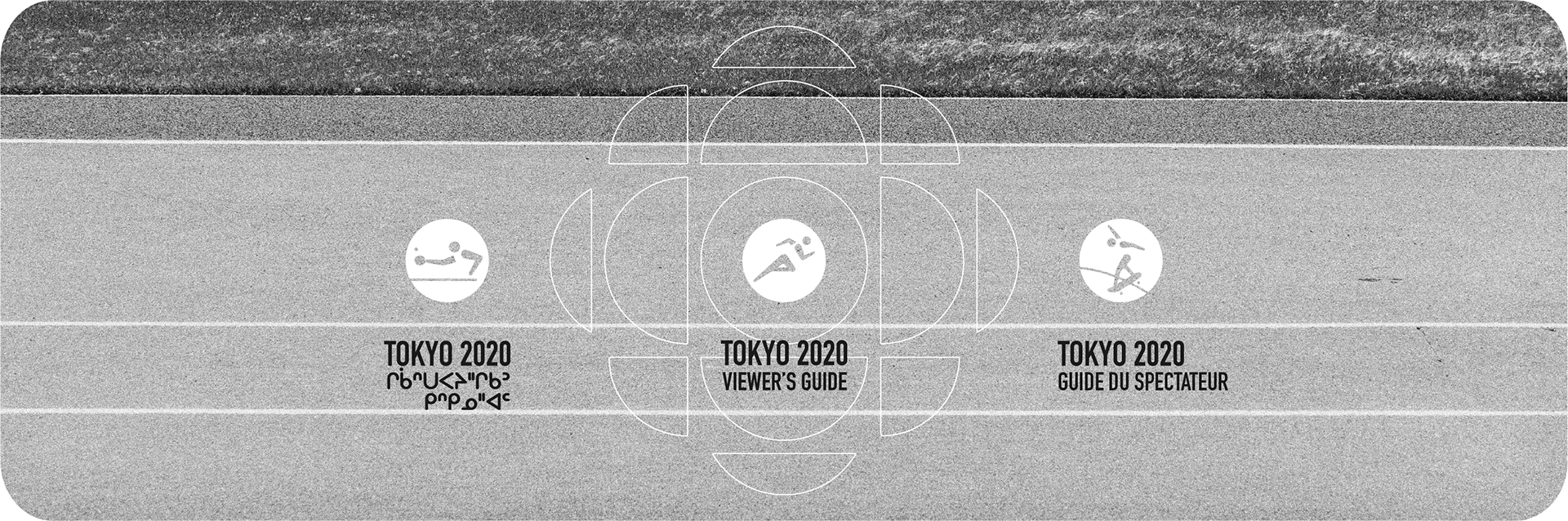
The Olympic movement, much like Canada, brings together diverse groups. The CBC services a country that speaks in many more tongues than the two deemed ‘official’. In order for Canadian Olympians to inspire their compatriots, the CBC needs to direct their viewership to wherever they can find the events that will, in a way that transcends language.
The rich history of Olympic pictographs offers such a means of communication. They are simple, generational and visually striking, exactly what an effective application needs to be to meet the demands of the moment.
The Context
The event in Tokyo saw 33 sports compete over two and a half weeks for 339 medals. As a spectator, navigating the abundance of content and news that it generates is a difficult task. Particularly when many of the marquee events take place at odd hours on Canadian screens, viewers need guidance to seek out what is being broadcast, when medals are being awarded and whether a Canadian athlete is in with a chance.
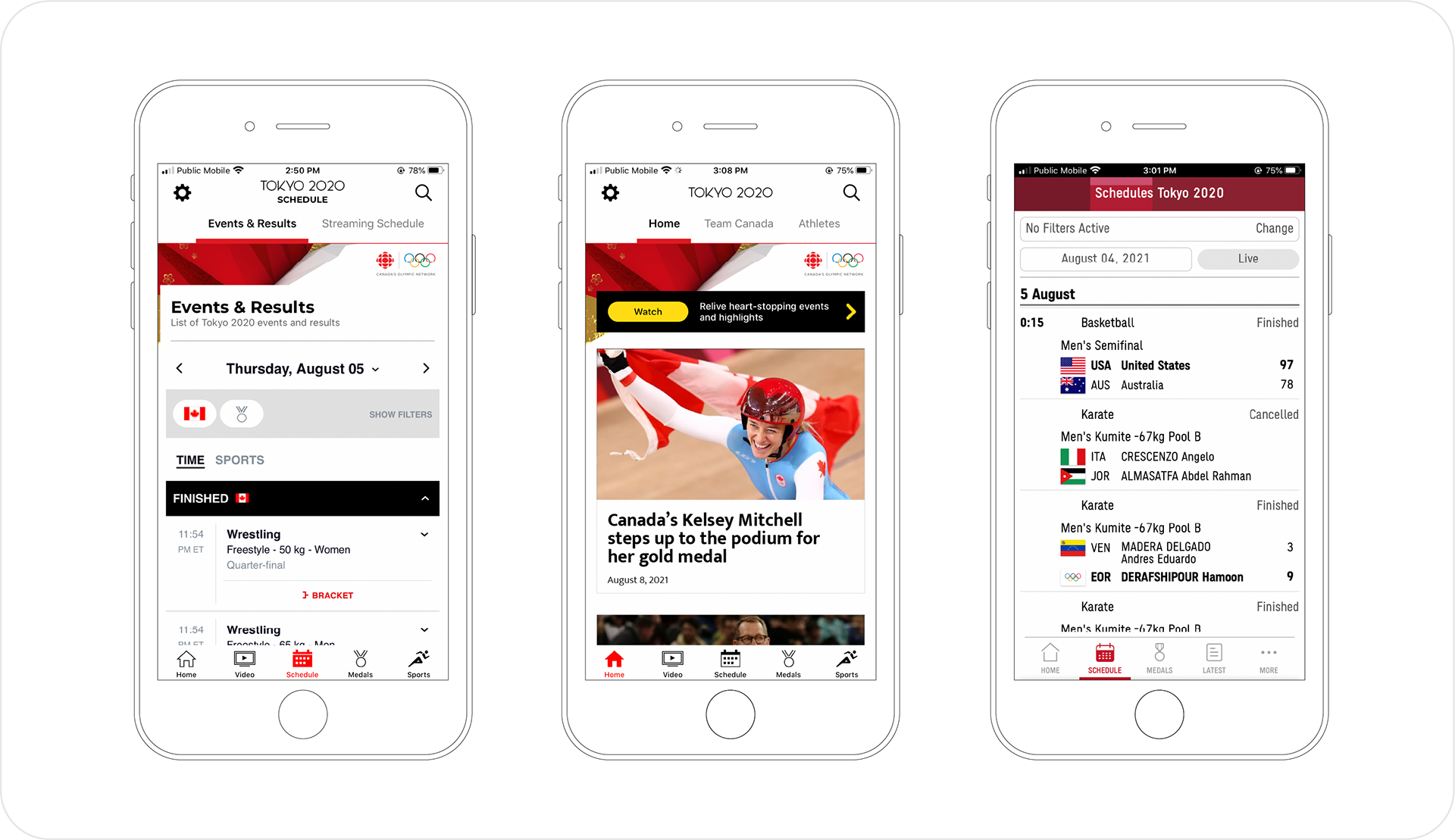
The applications that served Canadians this year were not particularly mobile nor people friendly. They relied heavily on text and spreadsheets that scrolled endlessly, and built an on-demand streaming service behind a spoiler-filled landing page.
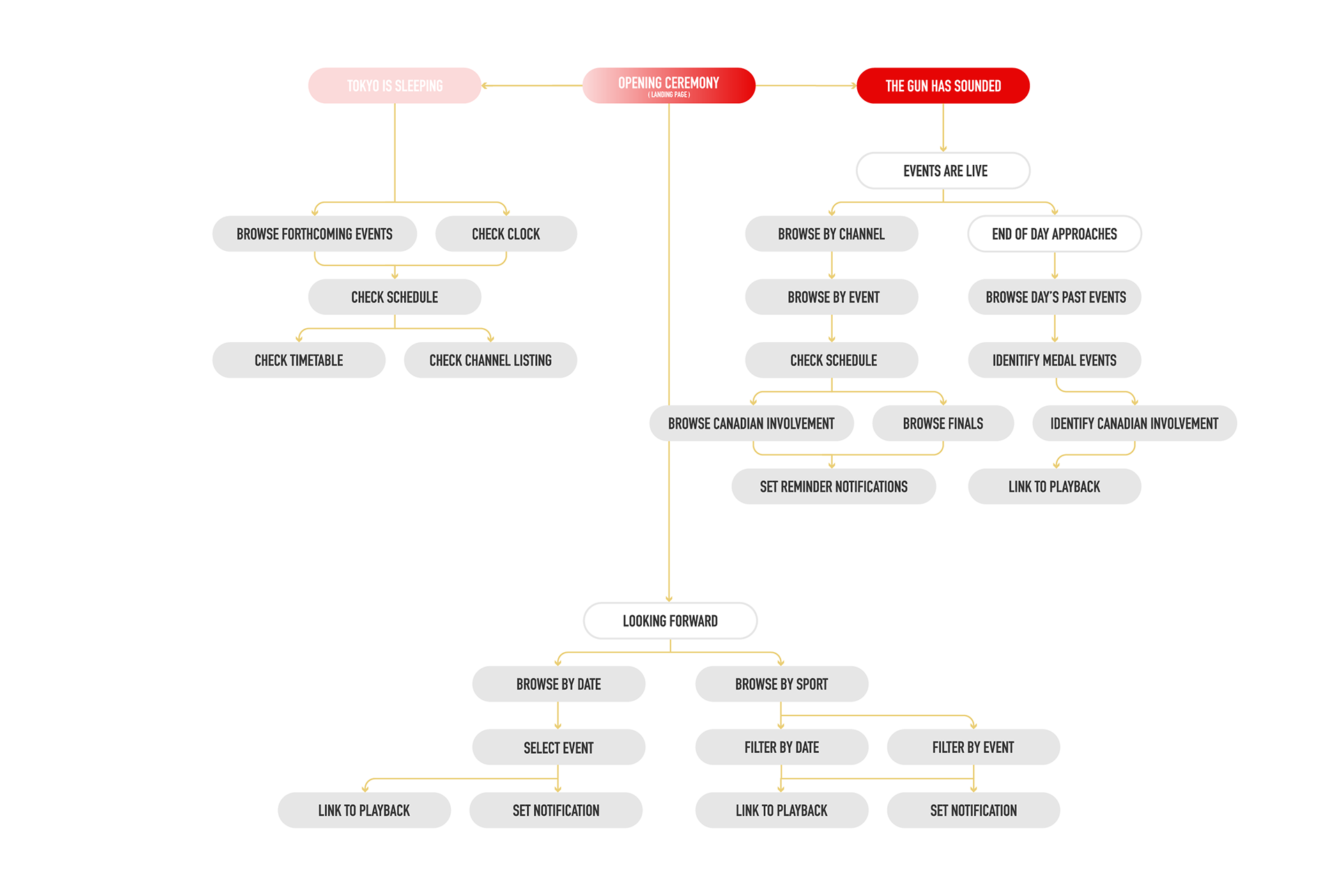
The Plan
A simple application needs to be straightforward in structure and thoughtless in use. Distinguishing central use cycles and streamlining the associated tasks created a clear framework of essential features. A restrained approach to the scope of the project would benefit the user in terms of simplicity but also allow the design to better integrate the content with a more creative user experience.
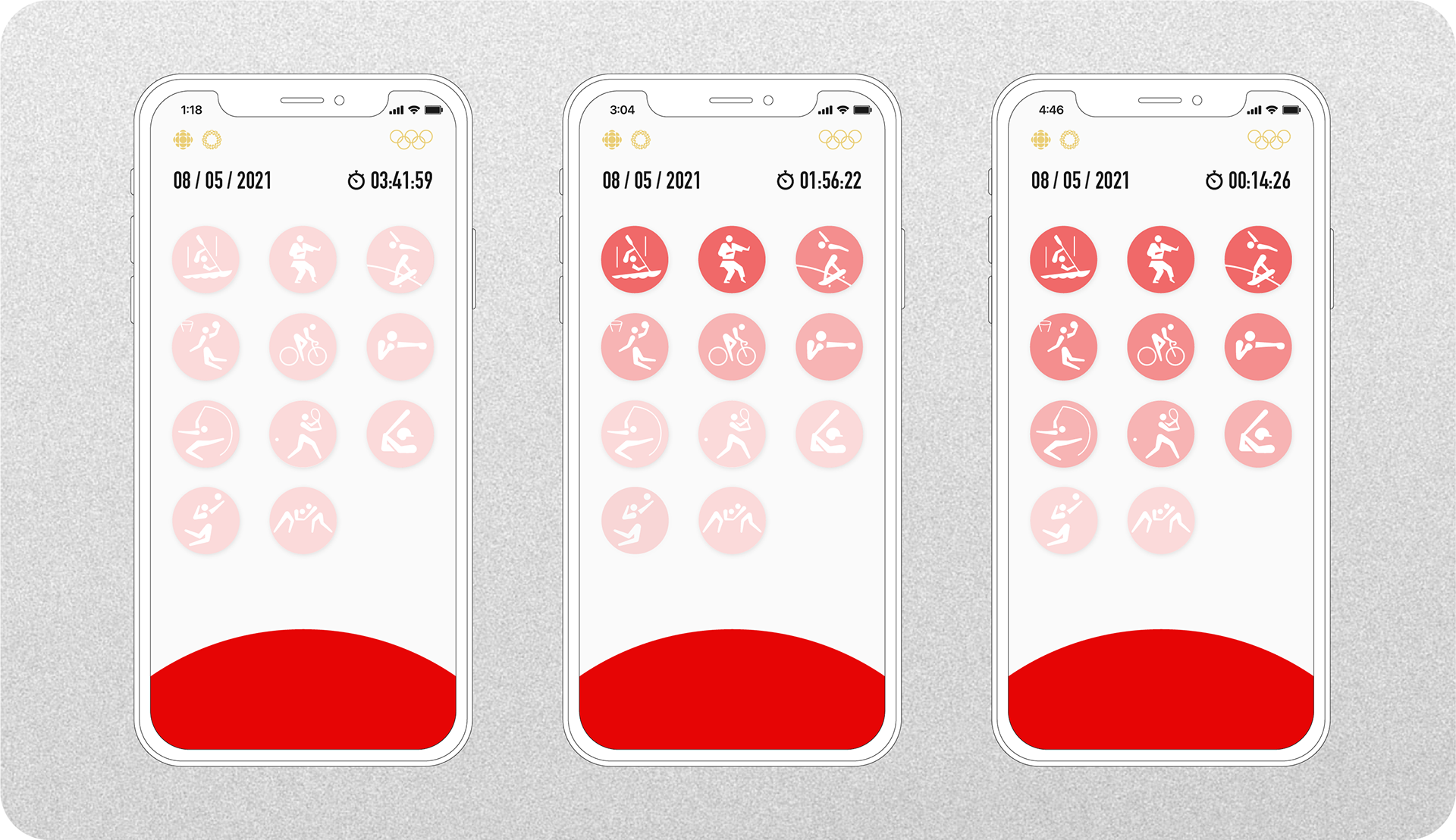
1. Awaiting events
A clock is the essential indicator of things to come, but is there another visual that can provide greater detail, and at a glance?
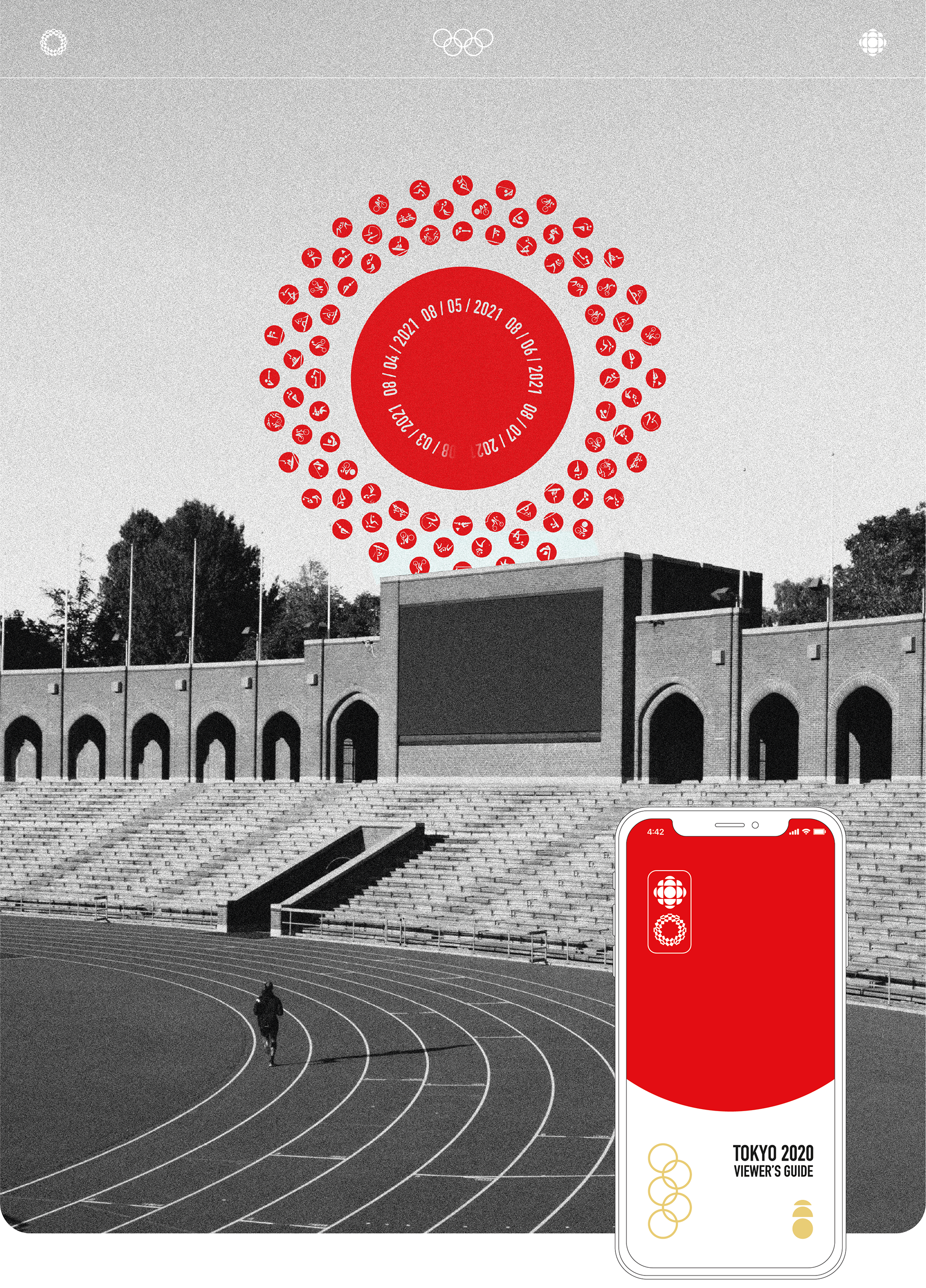
A countdown to the day's open sets the timeframe, while the pictographs (Masaaki Hiromura) 'heat up' as their start time approaches. The difference in saturation helps to distinguish events from one another and go one step further when most vivid - the red circle being a universal symbol for live recordings.
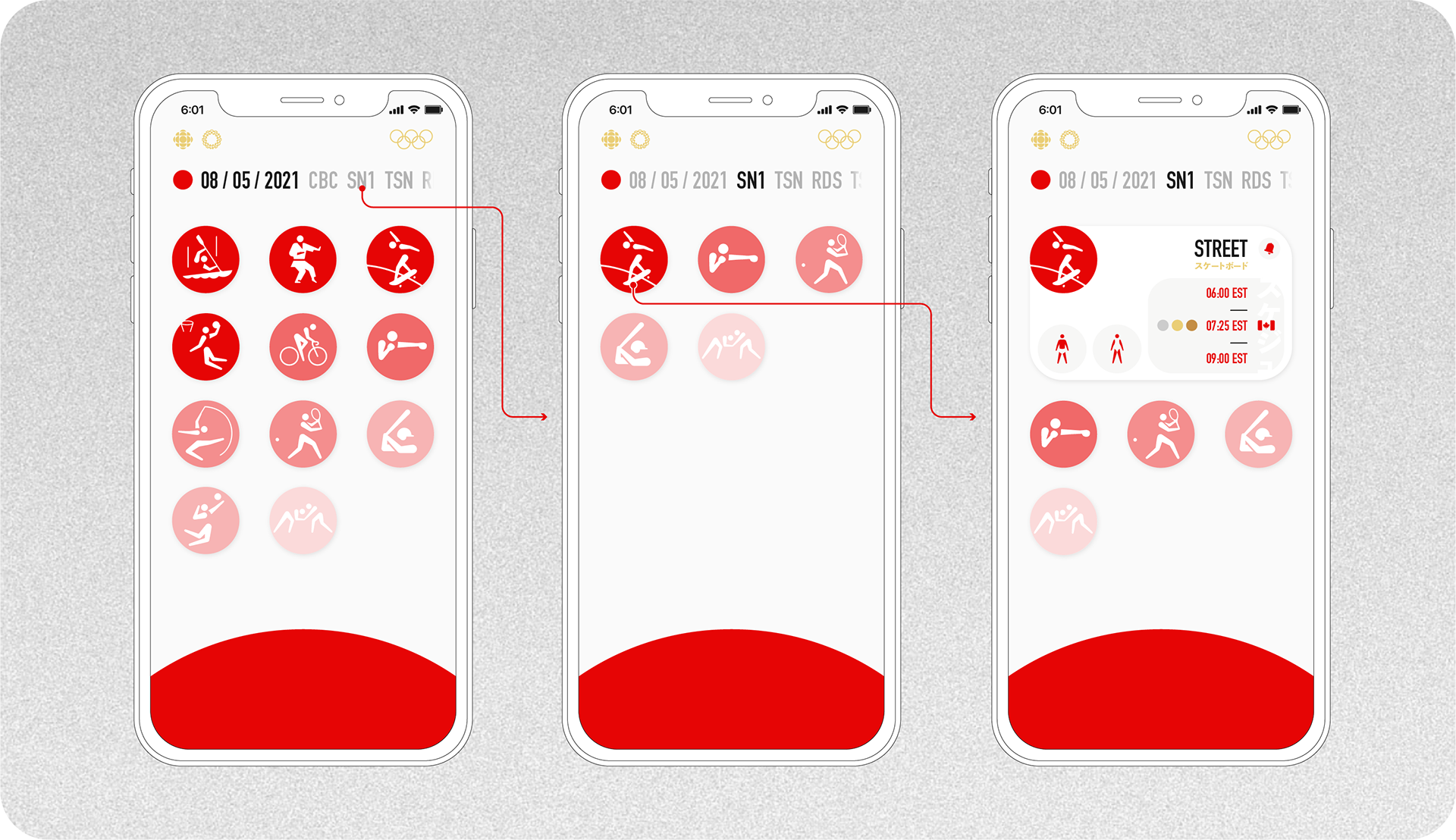
2. Browsing by channel
An application designed for everyone needs to consider its different demographics and means of use. While cable television is on its way out, it remains the backbone of the CBC's Olympic broadcast. The system starts here, centralizing CBC (and partners) produced events and indicating where viewers can find them, rather than directing them there. Cable subscribers and Frank Costanza will appreciate what is essentially a mobile TV guide.
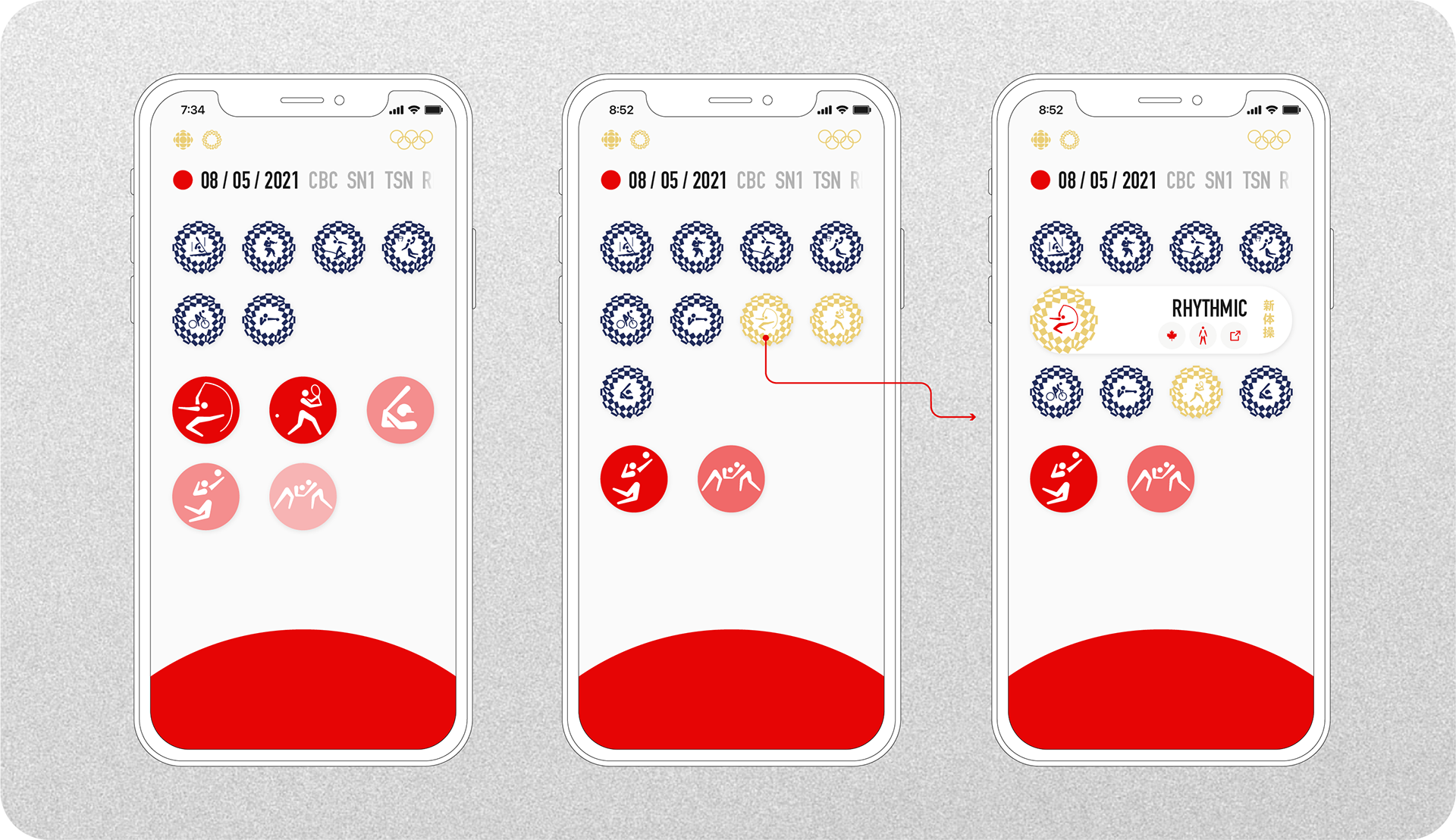
3. Accessing past events
Over the last few Olympic cycles, streaming and on-demand service has become an essential part of the viewership ecosystem. As the previous 2 editions were hosted in Asia, most events took place while most Canadians were sleeping. Spoiler-free mornings are an important part of a healthy breakfast. Front and center when Canada wakes up should be an indication of the events missed - distinguishing when medals were awarded and whether Canadian athletes featured - and a link to direct users to wherever they can watch the replay.
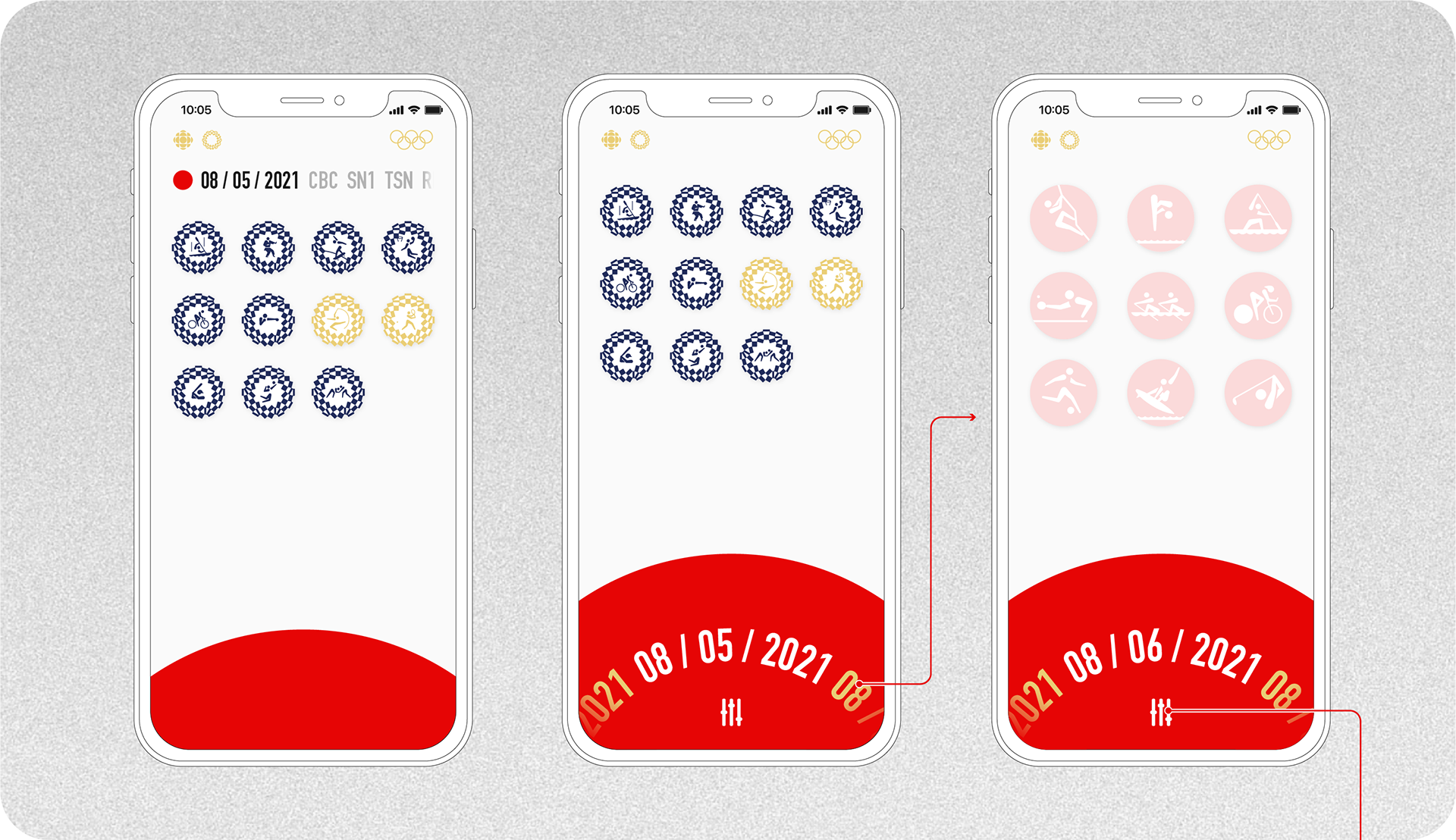
4. Filter by date
For the casual viewer, a simple, at-a-glance overview of the events taking place on a given day. As ever, this information is provided visually and complimented by distinguishing past/present styles and colouration to indicate medal events.
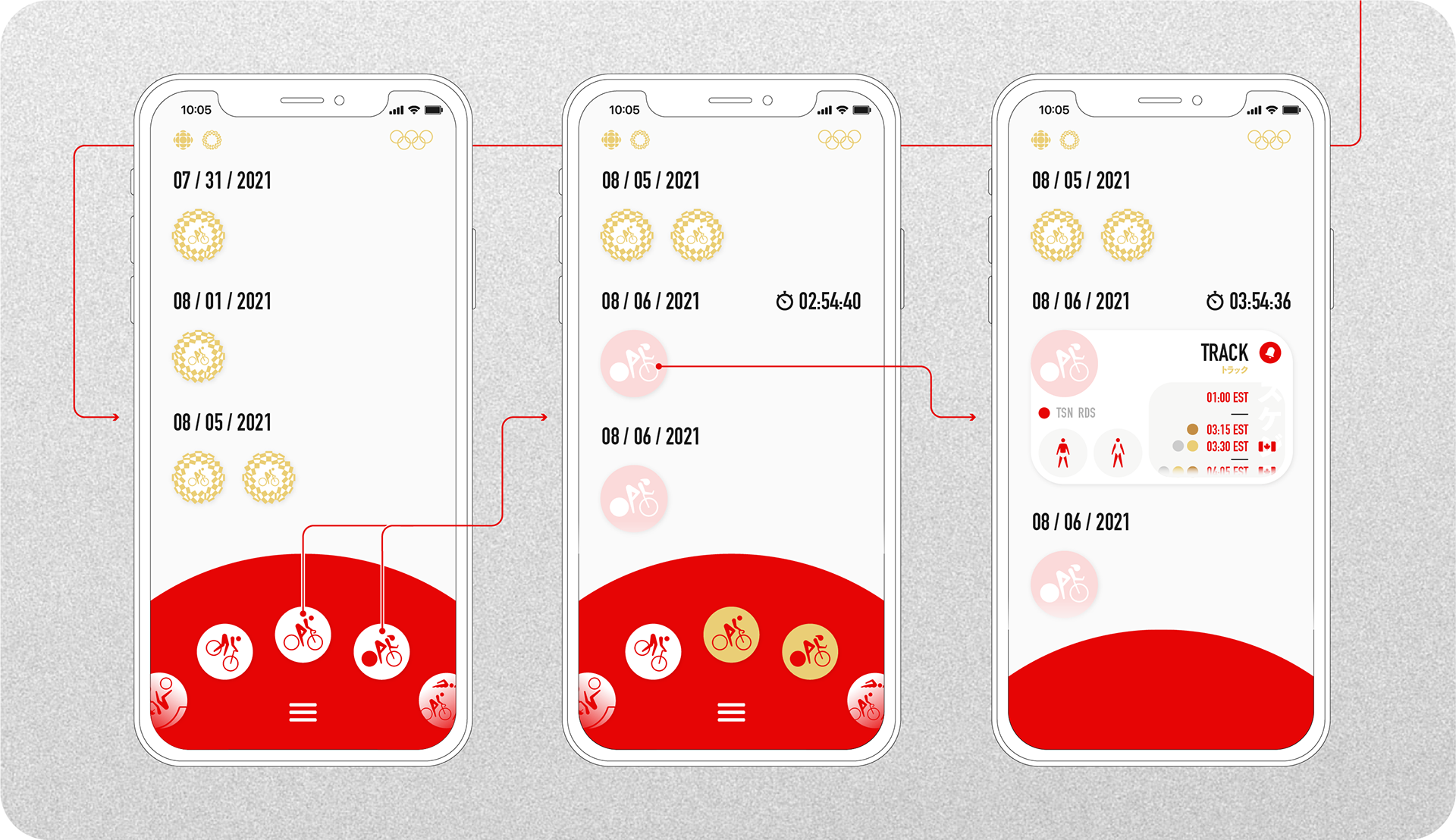
5. Filter by sport
Fans of particular events can filter results by sport, select favourites, browse dates and set notifications. It seems simple, and it should be.